


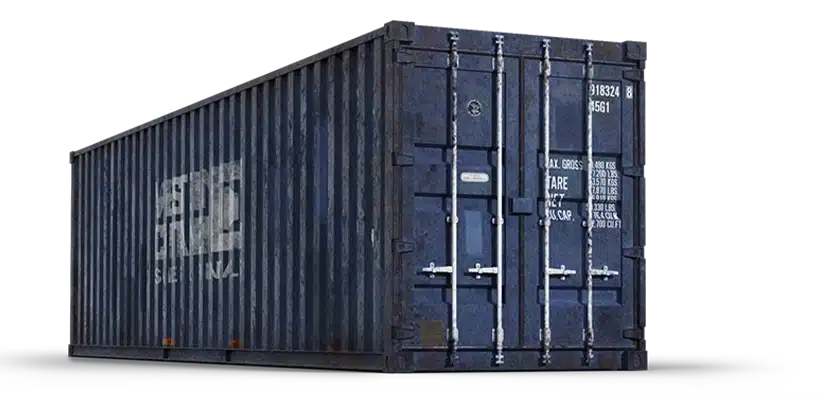
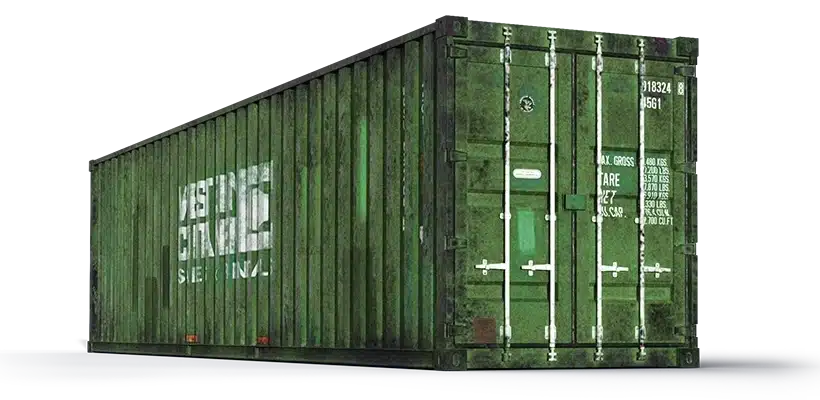
Shipping Containers for Sale — New & Used Conex Containers Delivered Nationwide
Looking for shipping containers for sale with transparent pricing and fast delivery? Since 2015, Western Container Sales has helped thousands of homeowners, contractors, and businesses purchase secure steel storage containers online — without sales pressure or hidden fees.
We offer 20ft, 40ft, and 40ft High Cube shipping containers in new and used condition, delivered directly to your property with professional ground-level placement.
2026 Shipping Container Pricing by Market (updated August 12th, 2026)
Please note: Prices shown below are base container prices and do not include delivery. For current pricing and availability, click “Get Prices” and enter your ZIP code. Prices are subject to change based on local inventory.
How much does a shipping container cost in 2026?
Shipping container prices vary significantly by location, size, and condition. That’s because containers tend to pile up in major intermodal hubs like Los Angeles, Houston, Chicago, Savannah, and Newark. Smaller inland rail hubs like Minneapolis, Salt Lake City, Denver, and Nashville see lower container traffic and have less supply. Used shipping container prices are very much a function of supply and demand.
As of August 2026, Western Container Sales’ advertised base prices for used 20ft containers range from about $990 to $3,350, while 20ft One Trip containers range from about $2,090 to $4,750. Used 40ft High Cube containers range from about $1,390 to $3,790, while 40ft High Cube One Trip containers range from about $3,290 to $5,750. Delivery is additional and varies by ZIP code.
20ft Used (WWT) Shipping Container Prices by Market:
| Location | Base Price (20ft WWT) |
| Atlanta, GA | $1,690.00 |
| Baltimore, MD | $1,145.00 |
| Charleston, SC | $1,045.00 |
| Charlotte, NC | $2,050.00 |
| Chicago, IL | $990.00 |
| Cincinnati, OH | $1,145.00 |
| Cleveland, OH | $1,390.00 |
| Columbus, OH | $1,290.00 |
| Dallas, TX | $1,445.00 |
| Denver, CO | $2,290.00 |
| Detroit, MI | $1,150.00 |
| El Paso, TX | $2,045.00 |
| Houston, TX | $1,045.00 |
| Indianapolis, IN | $1,290.00 |
| Jacksonville, FL | $1,345.00 |
| Kansas City, MO | $1,390.00 |
| Las Vegas, NV | $3,350.00 |
| Los Angeles, CA | $1,145.00 |
| Louisville, KY | $1,290.00 |
| Memphis, TN | $1,690.00 |
| Miami, FL | $1,090.00 |
| Minneapolis, MN | $1,645.00 |
| Nashville, TN | $1,890.00 |
| New Orleans, LA | $1,490.00 |
| Newark, NJ | $1,145.00 |
| Norfolk, VA | $1,045.00 |
| Oakland, CA | $1,345.00 |
| Omaha, NE | $1,590.00 |
| Portland, OR | $2,290.00 |
| Salt Lake City, UT | $2,290.00 |
| Savannah, GA | $990.00 |
| Seattle, WA | $1,945.00 |
| St. Louis, MO | $1,290.00 |
| Tampa, FL | $1,745.00 |
40ft Standard Used (WWT) Shipping Container Prices by Market:
| Location | Base Price (40ft WWT) |
| Atlanta, GA | $2,090.00 |
| Baltimore, MD | $1,545.00 |
| Charleston, SC | $1,445.00 |
| Charlotte, NC | $2,450.00 |
| Chicago, IL | $1,345.00 |
| Cincinnati, OH | $1,545.00 |
| Cleveland, OH | $1,790.00 |
| Columbus, OH | $1,690.00 |
| Dallas, TX | $1,845.00 |
| Denver, CO | $2,845.00 |
| Detroit, MI | $1,550.00 |
| El Paso, TX | $2,445.00 |
| Houston, TX | $1,490.00 |
| Indianapolis, IN | $1,690.00 |
| Jacksonville, FL | $1,745.00 |
| Kansas City, MO | $1,790.00 |
| Las Vegas, NV | $3,750.00 |
| Los Angeles, CA | $1,345.00 |
| Louisville, KY | $1,690.00 |
| Memphis, TN | $2,090.00 |
| Miami, FL | $1,490.00 |
| Minneapolis, MN | $2,045.00 |
| Nashville, TN | $2,290.00 |
| New Orleans, LA | $1,890.00 |
| Newark, NJ | $1,345.00 |
| Norfolk, VA | $1,390.00 |
| Oakland, CA | $1,545.00 |
| Omaha, NE | $1,990.00 |
| Portland, OR | $2,690.00 |
| Salt Lake City, UT | $2,445.00 |
| Savannah, GA | $1,390.00 |
| Seattle, WA | $2,345.00 |
| St. Louis, MO | $1,690.00 |
| Tampa, FL | $2,145.00 |
40ft High Cube Used (WWT) Shipping Container Prices by Market:
| Location | Base Price (40ft High Cube Used WWT) |
| Atlanta, GA | $2,145.00 |
| Baltimore, MD | $1,590.00 |
| Charleston, SC | $1,490.00 |
| Charlotte, NC | $2,490.00 |
| Chicago, IL | $1,390.00 |
| Cincinnati, OH | $1,590.00 |
| Cleveland, OH | $1,845.00 |
| Columbus, OH | $1,745.00 |
| Dallas, TX | $1,945.00 |
| Denver, CO | $2,890.00 |
| Detroit, MI | $1,590.00 |
| El Paso, TX | $2,490.00 |
| Houston, TX | $1,590.00 |
| Indianapolis, IN | $1,745.00 |
| Jacksonville, FL | $1,790.00 |
| Kansas City, MO | $1,845.00 |
| Las Vegas, NV | $3,790.00 |
| Los Angeles, CA | $1,390.00 |
| Louisville, KY | $1,745.00 |
| Memphis, TN | $2,145.00 |
| Miami, FL | $1,545.00 |
| Minneapolis, MN | $2,090.00 |
| Nashville, TN | $2,245.00 |
| New Orleans, LA | $1,945.00 |
| Newark, NJ | $1,545.00 |
| Norfolk, VA | $1,545.00 |
| Oakland, CA | $1,590.00 |
| Omaha, NE | $2,045.00 |
| Portland, OR | $2,745.00 |
| Salt Lake City, UT | $2,490.00 |
| Savannah, GA | $1,445.00 |
| Seattle, WA | $2,390.00 |
| St. Louis, MO | $1,745.00 |
| Tampa, FL | $2,190.00 |
20ft One Trip (like new) Shipping Container Prices by Market:
| Location | Base Price (20ft One Trip) |
| Atlanta, GA | $2,690.00 |
| Baltimore, MD | $2,290.00 |
| Charleston, SC | $2,490.00 |
| Charlotte, NC | $4,490.00 |
| Chicago, IL | $2,090.00 |
| Cincinnati, OH | $2,290.00 |
| Cleveland, OH | $2,490.00 |
| Columbus, OH | $2,390.00 |
| Dallas, TX | $2,690.00 |
| Denver, CO | $3,690.00 |
| Detroit, MI | $2,290.00 |
| El Paso, TX | $2,990.00 |
| Houston, TX | $2,145.00 |
| Indianapolis, IN | $2,390.00 |
| Jacksonville, FL | $2,745.00 |
| Kansas City, MO | $2,490.00 |
| Las Vegas, NV | $4,750.00 |
| Los Angeles, CA | $2,245.00 |
| Louisville, KY | $2,390.00 |
| Memphis, TN | $2,790.00 |
| Miami, FL | $2,690.00 |
| Minneapolis, MN | $2,890.00 |
| Nashville, TN | $2,990.00 |
| New Orleans, LA | $2,590.00 |
| Newark, NJ | $2,290.00 |
| Norfolk, VA | $2,190.00 |
| Oakland, CA | $2,790.00 |
| Omaha, NE | $2,690.00 |
| Portland, OR | $3,790.00 |
| Salt Lake City, UT | $3,690.00 |
| Savannah, GA | $2,090.00 |
| Seattle, WA | $3,790.00 |
| St. Louis, MO | $2,290.00 |
| Tampa, FL | $3,990.00 |
40ft High Cube One Trip (like new) Shipping Container Prices by Market:
| Location | Base Price (8’x40′ High Cube One Trip) |
| Atlanta, GA | $3,990.00 |
| Baltimore, MD | $3,590.00 |
| Charleston, SC | $3,790.00 |
| Charlotte, NC | $4,350.00 |
| Chicago, IL | $3,290.00 |
| Cincinnati, OH | $3,590.00 |
| Cleveland, OH | $3,790.00 |
| Columbus, OH | $3,690.00 |
| Dallas, TX | $3,890.00 |
| Denver, CO | $4,490.00 |
| Detroit, MI | $3,590.00 |
| El Paso, TX | $4,245.00 |
| Houston, TX | $3,445.00 |
| Indianapolis, IN | $3,690.00 |
| Jacksonville, FL | $4,045.00 |
| Kansas City, MO | $3,790.00 |
| Las Vegas, NV | $5,750.00 |
| Los Angeles, CA | $3,490.00 |
| Louisville, KY | $3,690.00 |
| Memphis, TN | $3,990.00 |
| Miami, FL | $3,990.00 |
| Minneapolis, MN | $4,190.00 |
| Nashville, TN | $4,190.00 |
| New Orleans, LA | $3,890.00 |
| Newark, NJ | $3,590.00 |
| Norfolk, VA | $3,490.00 |
| Oakland, CA | $3,890.00 |
| Omaha, NE | $3,990.00 |
| Portland, OR | $4,690.00 |
| Salt Lake City, UT | $4,490.00 |
| Savannah, GA | $3,390.00 |
| Seattle, WA | $4,690.00 |
| St. Louis, MO | $3,590.00 |
| Tampa, FL | $4,345.00 |
Why are 40ft High Cube One Trip Containers Cheaper than 40ft Standard Height Containers?
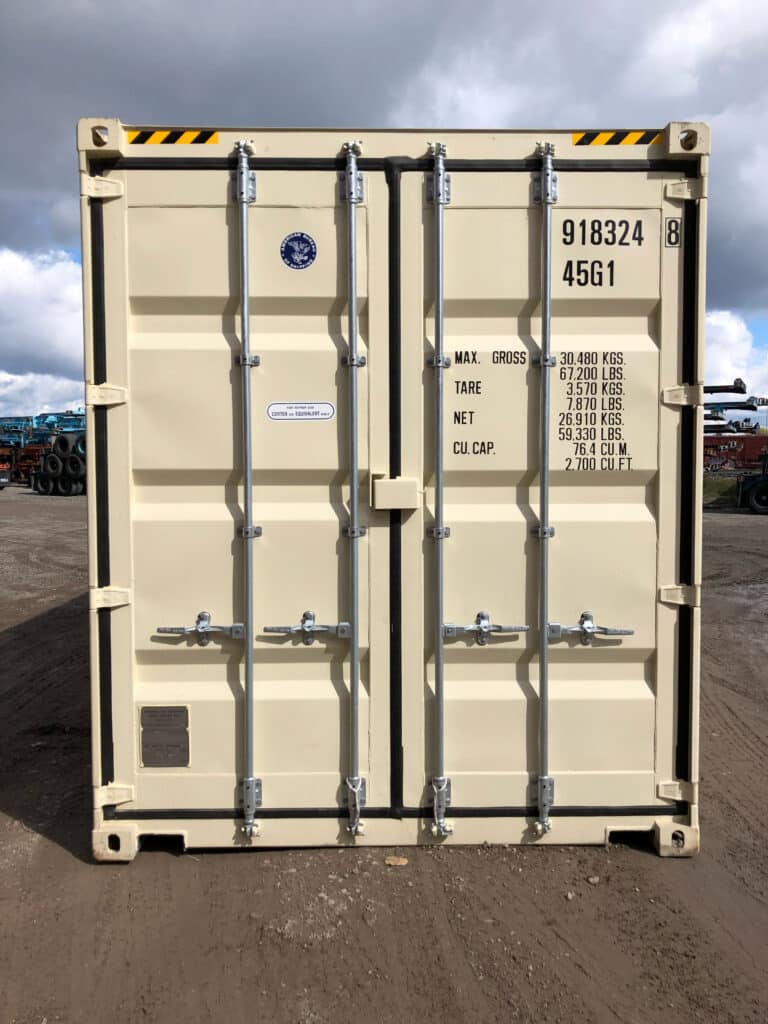
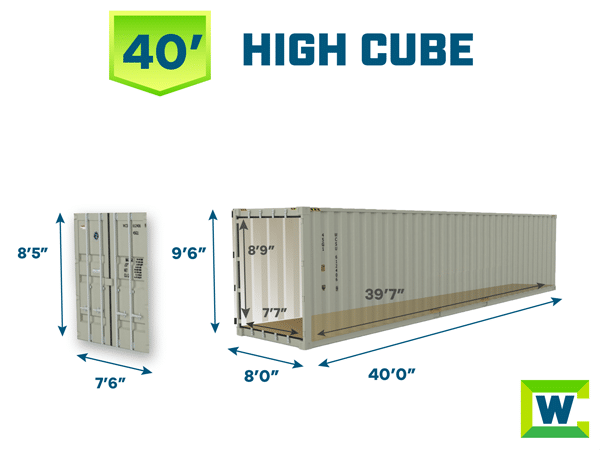
Standard shipping containers are 8ft 6in tall (outside height), and high cubes are a foot taller (9ft 6in outside height). Shipping lines used to charge more for high cube containers, but stopped that practice about a decade ago and now charge the same price for 40ft standard and 40ft high cube containers in most cases. This led to 40ft standard containers being produced at a much lower rate than high cubes, because why wouldn’t you take an extra foot of height if the cost is the same.
The end result was 40ft standard containers becoming somewhat of a relic. There’s still a large supply of used 40ft standard containers, but our experience is that new production is over 95% high cube containers. This causes 40ft standard one trip containers to be significantly more expensive than 40ft high cube one trip containers, not because they cost more to produce (they cost slightly less), but because they’re so rare. Over the next decade we could see 40ft standard units effectively phased out of circulation.
20ft containers are still mainly produced in standard height and 20ft high cubes are rare. This is because 20ft containers are usually hauling the same weight as 40ft containers (around 40,000 pounds or more). Since 20ft units are hauling heavier cargo by foot, the center of gravity can shift more than it would with a 40ft high cube. That makes 20ft high cubes extremely uncommon, even though 40ft containers are shifting towards almost exclusively high cube units.
Buy Shipping Containers Online — No Phone Call Required
Unlike many container suppliers, we post real pricing online.
- No commission-based sales reps
- No lead reselling
- No third-party markups
- No forced phone calls
Simply enter your zip code to see availability and delivery pricing in your area.
If you have questions, our team is always available — but the process is designed to be simple and self-serve.
How to Buy a storage container
Our process is simple & straightforward.
Buying shipping containers is a seamless process with our efficient system. Our streamlined approach guarantees a hassle-free experience, allowing you to book and receive delivery of your storage container within a matter of days.
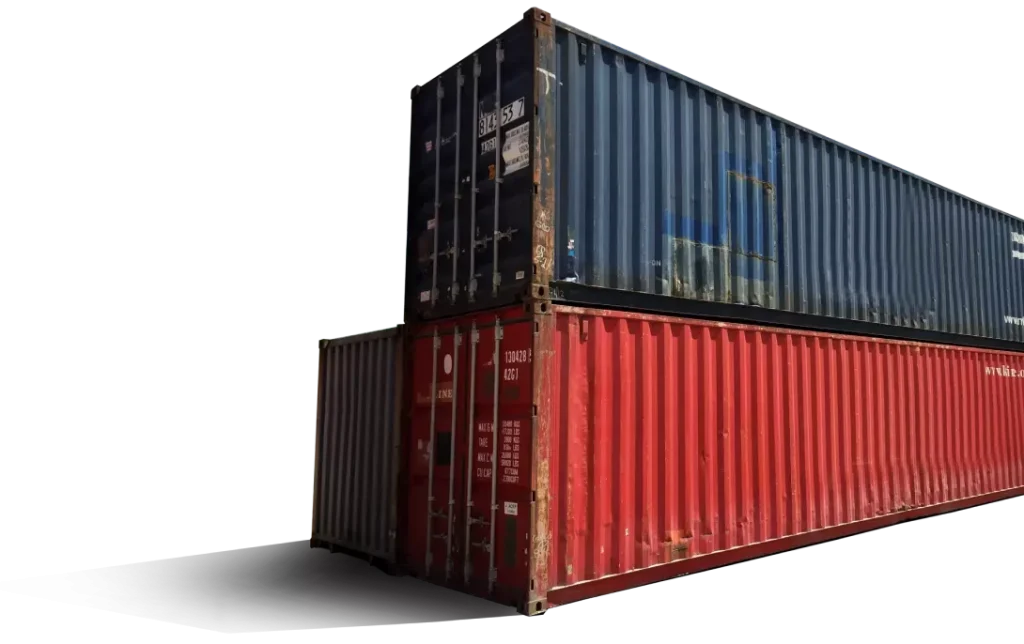

provide Your Location
Let us know where you need your shipping container delivered and we’ll provide online pricing to buy a Conex container. Click the Get Pricing button to select your storage container and complete the simple purchase process.

Order Your Container Online
We post shipping container prices directly on our website, so you don’t need to talk to a salesperson to buy or rent a storage container. If you have questions about ordering a shipping container you can always give us a call, the person that answers the phone never earns a direct commission on your order. Our goal is just to help get you the right container for your needs.
We Source Your Shipping Container
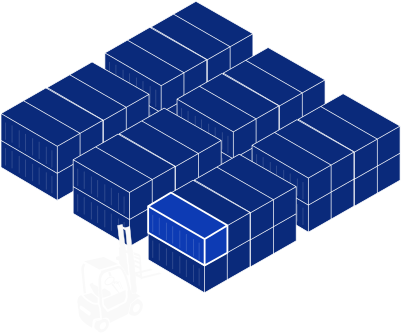
We leverage our buying power as one of the largest purchasers of used shipping containers in North America to help find a high quality shipping container at the nearest intermodal depot. Since we’re sourcing containers directly from intermodal cargo circulation, you’ll get the next container off the stack at the depot that meets your order criteria. We can’t guarantee a specific color, but all of our containers come with a 3-year warranty that covers the structural integrity of the unit.
Ground Level Container Delivery
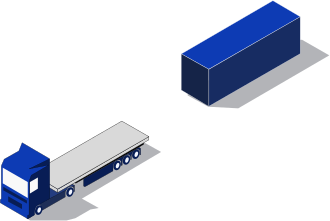
We’ll be in touch within one business day to confirm your order and coordinate the logistics of your shipping container delivery. We work with professional local hauling companies with specialized equipment to deliver your container directly to the ground. You’ll know what day your container delivery is scheduled for within a day or two of placing your order, and the driver will give you a call when they’re en route on the day of delivery.
Plan on 4 to 7 business days for shipping container purchases (or customers with the proper equipment can pick up from a depot within 2-3 business days). Rental containers will be delivered within 3 to 5 business days.
We use technology to sell shipping containers at wholesale prices because we don’t have to pay a sales commission
The reason our pricing is often among the lowest prices for used shipping containers in the industry is because we’ve built software that automatically updates pricing on our website based on current market conditions. We then allow customers to see prices online and order their container without a sales rep getting involved. Our competitors all pay commissioned sales reps on your order, but we just have a customer service and logistics team to help make sure you get the right container for your needs.
We don’t believe you can talk anyone into buying a shipping container that they don’t need, so we don’t have sales reps on staff. If you have any questions about the process, you’re always welcome to contact our customer service team. We’re always happy to help.
Types of Shipping Containers for Sale
Shipping Container Sizes
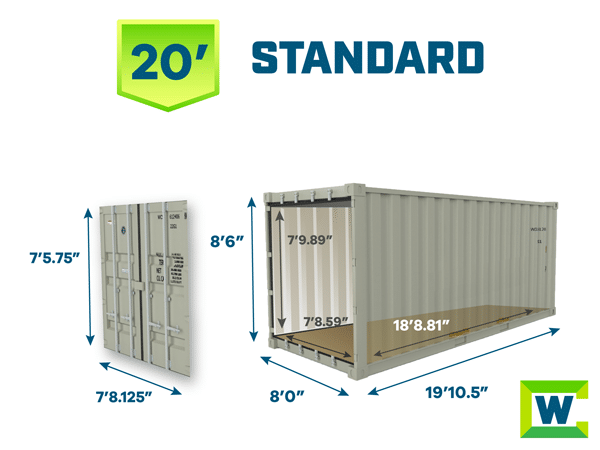
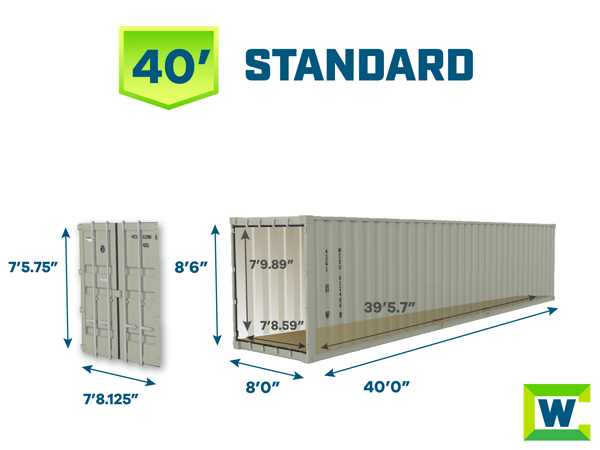
Western Container offers a variety of shipping containers, including 20ft, 40ft, and 40ft high cube options. We have both used shipping containers and one trip shipping containers available for a variety of storage and transport needs.
Conex Containers for Sale
Used shipping containers are sometimes called conex containers, a name taken from the old military abbreviation for the “container express” system. Conex containers are just another name for used intermodal shipping containers. We offer used and one trip (like new) conex containers for sale nationwide. The most common sized conex containers we offer for sale are 20ft standard conex and 40ft high cube conex containers. We also offer 40ft standard height conex containers.
Condition of Shipping Containers
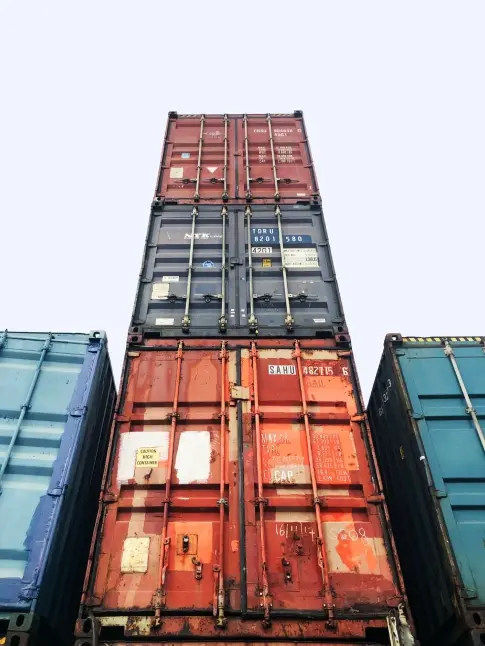
We offer 3 different categories of containers: One Trip, CWO (Cargo Worthy), and WWT (Wind & Watertight). We do not offer “as is” containers like many other container companies do, and we discourage anyone from purchasing these for one simple reason: you don’t know what you’re getting.
One Trip (Like New)
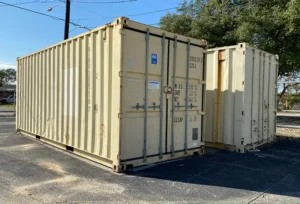
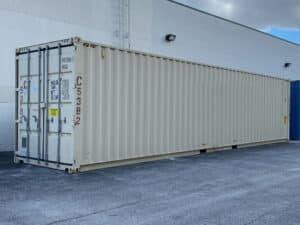
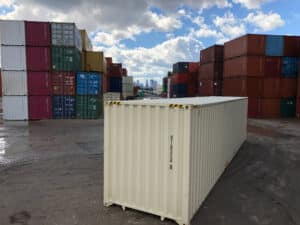
While we do not offer new shipping containers for sale, this is as close as you’re going to get. These containers have delivered one shipment of goods and are still in great condition. Often, these containers even still have that ‘just painted’ smell. So while they may have a nick here and there, they are, for the most part, new.
CWO: Cargo Worthy
Cargo Worthy containers are still structurally sound and have been approved to work in the shipping industry. This means they may have a dent or two, but are still sturdy and strong. These are a good option if you are looking to buy a container for shipping purposes. However, if you are merely using your container for storage, purchasing a cargo-worthy container means you may be overspending and we encourage you to opt for a Wind & Watertight container.
WWT: Wind & Watertight
These containers have generally been used for a decade or more in the shipping industry, and have some wear and tear. They are no longer approved to work in the shipping industry (this is often because containers need to be stacked on top of each other on ships, meaning they need to be able to support a heavy load).
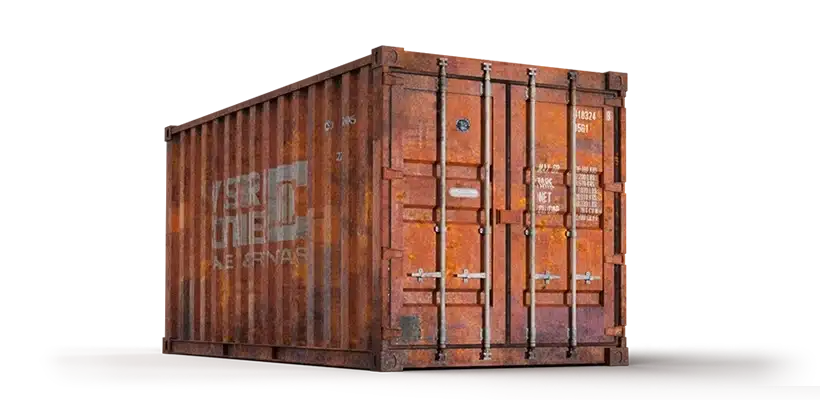
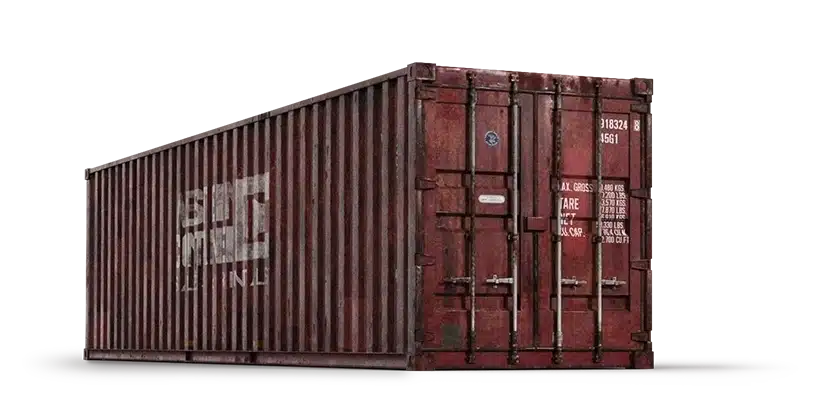
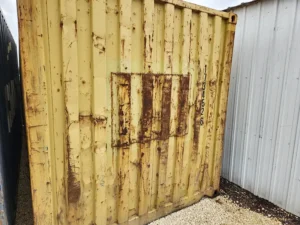
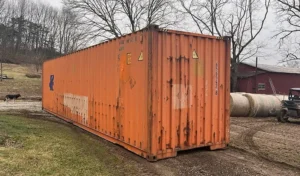
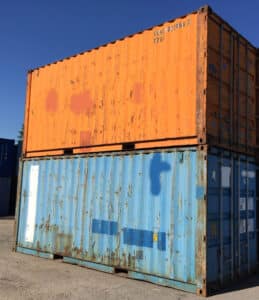
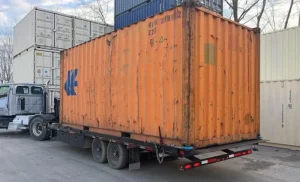
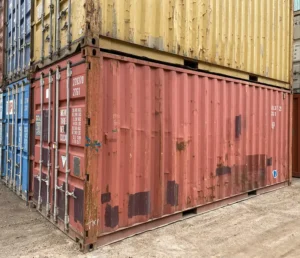
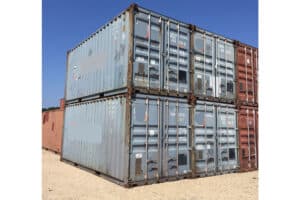
While these containers may not be approved for shipping, they are still structurally sound for storage and keeping goods protected from the elements outside. For most purposes, WWT containers get the job done and provide the most affordable option. Please note that WWT containers will have rust and dents.
Images of CWO & WWT Containers
What’s the difference between WWT & CWO Used Shipping Containers?
Used shipping containers are classified in four categories: as-is, wind and watertight (WWT), cargo worthy (CWO), and IICL (international institute of container lessors). As-is containers are just that, they probably need some repair to the roof, doors, or floor and you should expect them to probably leak. We don’t sell as-is containers, because we can’t guarantee them. Unless you have a facility capable of handling shipping container repairs we don’t recommend you buy as-is containers.
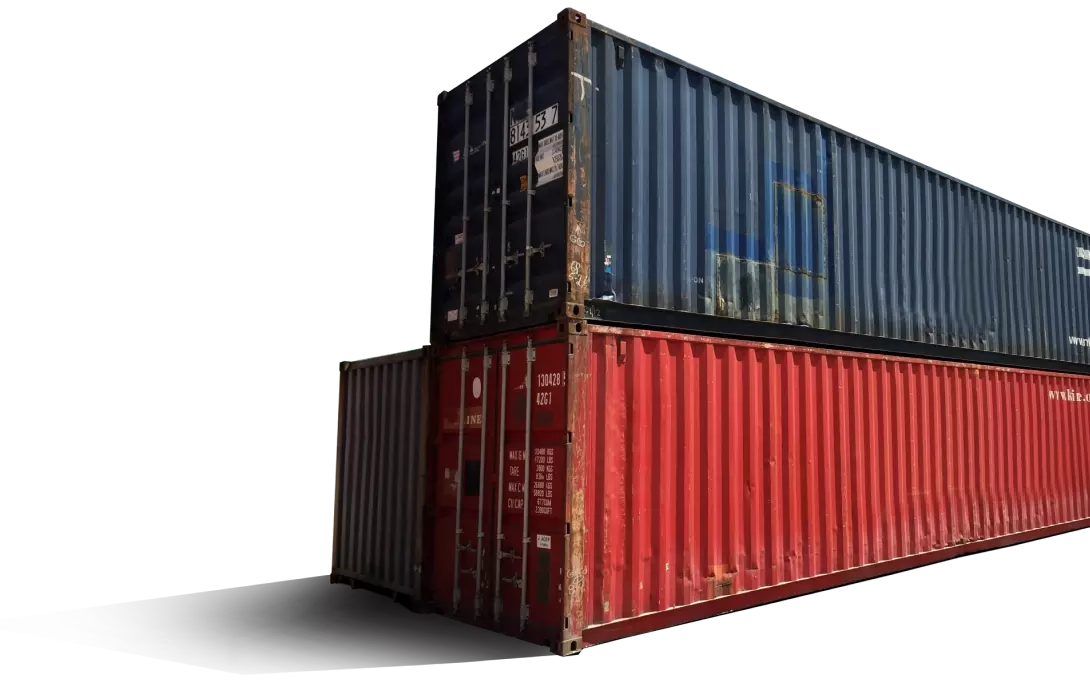
Wind and Watertight (WWT) containers are used shipping containers that are 10+ years old and being retired from service. They’re still guaranteed to be wind and watertight like the name suggests, but are no longer certified to be stacked while loaded on a container ship. Since containers are stacked 7-high while loaded with up to 50,000 pounds each, the bottom container could be supporting 300,000 pounds on top of it. If it fails, the stack falls and containers end up falling into the ocean with their cargo. Any WWT container can be repaired to cargo worthy status, but after a certain age it’s usually cheaper for a shipping line to just build a new container instead of continually making repairs. Often times the repairs needed are something that wouldn’t matter to a customer who wants to use the container for storage (such as the cross-members under the floor being slightly bent or the sidewall having a dent larger than a softball).
The biggest issue with WWT containers is cosmetics, and you should expect it to look like a 10-15 year old steel box. Surface rust and dings and dents are common, but if you can pressure wash and paint your container it will look pretty good and last as long as the steel will last. We offer a 3-year warranty with all used containers, and beyond that you should expect to paint your container and repair or replace the door seals once every 15 years or so. Steel containers are very durable, so as long as you maintain the unit properly it should last for decades.
Cargo Worthy (CWO) used shipping containers are used shipping containers that are guaranteed to pass a CSC-Survey and can be safely stacked while fully loaded with cargo. There’s no cosmetic difference between CWO and WWT containers, even though some of our competitors will sell them as higher quality units. If you’re not using the container for export there’s no reason to buy a CWO container, but if you are using your container for ocean shipment then it will require a survey. Surveys must be completed by a third party for safety reasons, and that usually takes about a week, so make sure to plan accordingly if you need a CSC-Survey.
IICL (international institute of container lessors) used containers are basically just CWO containers that are held to a higher standard in terms of dent size and things like that. Some of our competitors will sell IICL grade units as premium units, but cosmetically they are often uglier than CWO units because they usually have patches welded in them where a CWO container would just have a small dent. Unless you plan to use your container for multiple years of ocean shipment then there’s really no reason to buy an IICL grade container.
What are “A Grade” Containers?
A Grade, B Grade, C Grade Containers don’t actually exist, and those are just classifications less professional companies use to describe equipment. Those grades are totally subjective and completely made up. One company’s A Grade might be another company’s C Grade. If anyone tries to sell you based on grade it should raise a red flag.
Is it better to buy or rent a storage container – when is the break even point?
Shipping container purchase prices tend to fluctuate where storage container rental prices are steadier. Container purchase prices tend to also vary by market, so the math isn’t the same for everyone on when it makes more sense to buy or rent. In most cases we tell customers who plan to use the container for over 18 months that it’s better to buy than rent, but in some places where container prices are low that can be as short as a year.
If you’re paying $145/mo for a container that would normally cost $2,000 to buy then the break even point is just over a year (14 months), but if that container price is closer to $3,000 then the break even point is almost two years. That’s why we generally tell people that 18 months is a good break even point to use for deciding whether to buy or rent a container.
What’s the difference between a standard container and a high cube?
Standard shipping containers are 8ft 6in tall (outside height) and high cubes are a foot taller at 9ft 6in outside height. Usually used high cubes are about $100 more than used standard height containers, but you get about 11% more space inside a high cube container (2,385 cubic feet for a 40ft standard container vs. 2,660 cubic feet for a 40ft high cube). The extra $100 to upgrade to a high cube is almost always worth it.
One Trip 40ft high cube containers are usually cheaper than 40ft standard containers now because the overwhelming majority of new containers produced are 40ft high cubes. High cube containers also have slightly thicker corrugated steel walls, so they’re a little more durable. The best bang for your buck in terms of storage space is almost always a 40ft high cube.
Can I see a photo or a video of my actual unit before delivery?
We sell containers directly from cargo circulation, and there are hundreds of containers coming and going from every intermodal depot daily. It’s possible to get photos of a container and have it set aside while a customer decides if they want it, but it’s a huge hassle to the intermodal depot and costs a few hundred dollars per container so we don’t do it.
Part of the reason we can offer wholesale prices is we source directly from the largest intermodal companies in the world. We also have the driver perform a multi-point inspection of every shipping container we pick up, so we know the doors will seal properly, the floor is free of holes, and there are no visible leaks in the roof. You can rest assured that the container we deliver will be backed by our 3-year structural warranty, but if you’re worried about cosmetics then you should either plan to paint your container after delivery or buy a One Trip container.
There are container sales companies that bring containers out of the depot to their own holding yard who can offer photos of specific containers, but the cost of trucking from the depot is usually at least a few hundred dollars per unit so they can’t offer the same wholesale prices that we do. In the shipping industry containers are viewed as an interchangeable commodity. All containers are going to have some surface rust, but we source our equipment through reputable global intermodal suppliers so we know whatever container comes next off the stack will be structurally sound.
How Much Rust to Expect on Used Shipping Containers
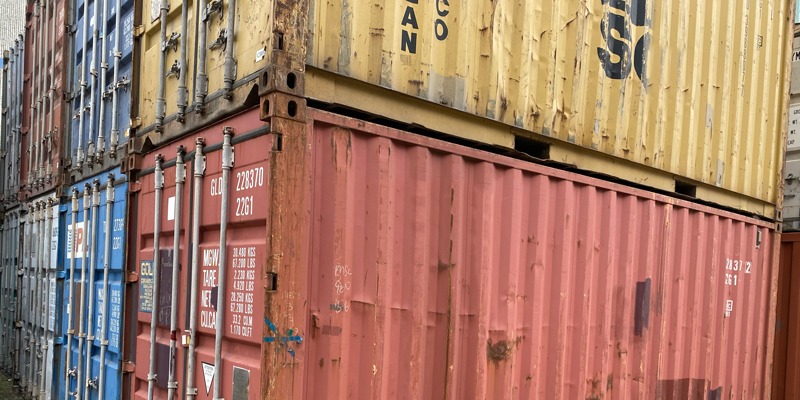
All used shipping containers have rust, even One Trip containers will usually have scrapes or small dents from stacking and un-stacking that end up with some surface rust. The good thing about shipping containers is they’re meant to be durable. Steel shipping containers, sometimes called “conex containers,” are made from corten steel (a group of steel alloys mixed with copper, chromium, and nickel). Corten steel is extremely durable, and is described as having “rust shield” qualities where rust stays at surface levels.
Since containers are banged together and scrape each other up during the loading process, dents and scrapes are inevitable. You should expect to see surface rust on all used containers, but that won’t impact the structural integrity. Small dents (up to the size of a basketball) are also not an issue.
If you’re worried about the cosmetic appearance of your container you should buy a one trip. If another container sales company is promising you a used container with no rust, they’re being dishonest. The best way to deal with rust on a used shipping container is to pressure wash it and paint the container every 10-15 years.
Roof Panel and Crossmember Maintenance
The only areas where rust is a concern is on the roof panels and in the crossmembers under the floor. If there’s a large dent where water can pool on the roof that standing water will eventually rust through at the lowest point. If that happens, it’s not a big deal to repair, but it can usually be avoided with occasional maintenance. Ideally you’ll want to visually inspect your roof at least once a year to identify any low spots with rust. If it hasn’t rusted through, you can paint over it with a direct to metal paint and usually avoid the problem getting worse. If it’s starting to leak, you can usually plug it with caulk or a fiberglass patch and then paint over it.
The roof of a shipping container isn’t designed to hold any weight, so the roof panels are usually pretty thin compared to the rest of the container. All you need the roof to do is not leak, so patches and caulk will significantly extend the life of your container.
To prevent your cross members from rusting out, make sure to keep your container out of standing water or mud. The steel crossmembers support the wood floor, so if they start to fail your floor will sag. We recommend customers put their containers on wood 4×4’s to keep the cross members above the ground and dry. The only way to repair cross members is at a depot where the unit can be lifted and welded from underneath. It’s expensive and cumbersome, so it’s best to avoid it by keeping your container out of standing water.
Top Use Cases for Steel Shipping Containers for Sale
Shipping containers are incredibly versatile and can be used for all sorts of projects. Whether you’re looking for a shipping container for storage or need a sturdy option for transport, these containers have got you covered.
Buying a Shipping Container for Storage Solutions
Shipping containers are ideal for storage solutions due to their construction and versatility. Whether you need to store equipment, tools, or supplies, a storage shipping container provides a secure and weather-resistant option.
These containers can be transported to various locations, making them perfect for construction sites, agricultural properties, or personal residencies. Their durability ensures that your belongings are protected from the elements and potential theft, offering peace of mind and convenience. Please note: Western Container does not move loaded containers.
Purchasing a Shipping Container for Use as a Workshop
Shipping containers make excellent workshops, offering a customizable and secure space for various activities. Whether you’re a hobbyist, artist, or small business owner, a container workshop can be outfitted with electricity, insulation, and shelving to suit your specific needs.
These containers provide a dedicated area for projects, free from the distractions of home, and can be relocated if necessary. Their sturdy construction means they can handle heavy tools and equipment, providing a functional and long-lasting workspace.
Shipping Container Storage for Agricultural Uses
Shipping containers are being used more frequently in agriculture for a variety of innovative applications. They can be adapted into controlled environments for urban farming and hydroponic systems, allowing for year-round cultivation of crops regardless of external weather conditions.
Containers also provide secure storage for farm equipment, feed, and harvested produce, and protect them from pests and theft. Their portability allows farmers to optimize the use of space and resources on their properties.
Frequently Asked
Questions
You’ve got questions?
We’re here to help.

CSC Survey Required for Container Export
Only Cargo Worthy (CWO) and One Trip containers can be surveyed.
Financing

Business Financing
Select CIT financing at checkout to submit your application.

Rent-to-Own
Select rent to own at checkout to submit your application.